Business
Santa Clara hasn't had a downtown since the 1960s: Here's how its looking to change that
By Katherine Langford
Advertisement · Why this ad?
Katherine oversees editorial operations across all six brands. Before joining The Meridan Group, she spent 14 years at the Minneapolis Star Tribune, where she led the metro desk through its digital transformation. She holds a Master's in Journalism from Northwestern's Medill School.
More from Katherine →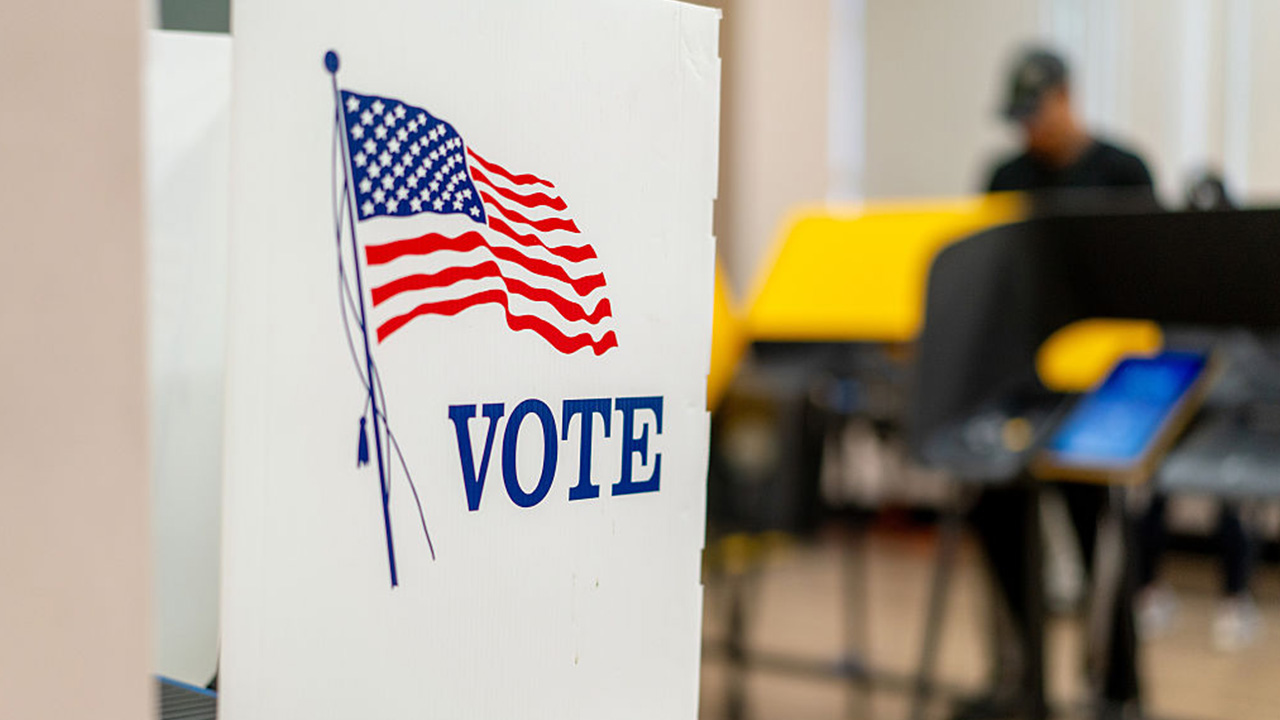
In a pivotal decision that could reshape the financial landscape of the East Bay, Berkeley voters are weighing the merits of a parcel tax aimed at launching a public bank. This initiative promises to channel taxpayer dollars into vital community projects, from affordable housing to sustainable energy, offering a potential lifeline for families and small businesses alike. The proposal before Berkeley voters seeks to establish seed money for a regional public bank, a move that could redefine how local priorities are funded and supported.
Voters in Berkeley are being asked to decide on a parcel tax, a direct levy on property, specifically designed to provide the foundational capital for this ambitious regional public bank. This is not merely a local financial maneuver; it represents a significant step towards fostering economic resilience and empowering families to thrive across the broader East Bay. The proposed bank aims to serve as a financial engine, addressing critical needs often underserved by traditional commercial banking institutions.
The vision for this public bank is comprehensive, targeting several key areas vital to the well-being and prosperity of our communities. Foremost among its objectives is the financing of affordable housing initiatives, a pressing concern for many families struggling with the rising cost of living in the Bay Area. By providing accessible capital, the bank could help create more stable living environments, allowing families to put down roots and build stronger foundations.
Beyond housing, the proposed public bank would also dedicate resources to bolstering small businesses, the lifeblood of our local economy. These enterprises, often family-owned and community-focused, frequently face hurdles in securing traditional financing. A public bank could offer more flexible and supportive lending options, helping these businesses grow, create jobs, and contribute to the vibrant character of our neighborhoods.
Furthermore, the initiative is deeply committed to environmental stewardship and future-proofing our region. The bank would finance green energy efforts, supporting the transition to cleaner, more sustainable power sources. This commitment extends to sustainable infrastructure projects, ensuring that the East Bay's roads, utilities, and public spaces are built to last and designed with long-term ecological health in mind. Such investments reflect a community's commitment to responsible growth and a healthy environment for generations to come.
The establishment of a public bank in Berkeley could serve as a powerful model for regional economic development, addressing pressing needs such as affordable housing and environmental sustainability. This initiative reflects the community's commitment to investing in its own future and supporting local families. As community leaders have articulated, a public bank could foster economic resilience, providing a stable financial anchor in an often-unpredictable economic landscape.
Local residents are understandably concerned about the rising cost of living and the increasing difficulty for young families to establish themselves in the region. Many see the public bank as a potential lifeline, offering a tangible mechanism to address these challenges head-on. By keeping financial resources within the community and directing them towards local priorities, the bank aims to create a virtuous cycle of investment and growth.
The concept of a public bank, while not new globally, is gaining traction in the United States as communities seek greater control over their financial destinies. The Bank of North Dakota, for example, has operated successfully for over a century, demonstrating how a state-owned bank can support local agriculture, businesses, and infrastructure. This model provides a compelling precedent for Berkeley's aspirations, suggesting a path toward greater local financial autonomy and impact.
The proposed parcel tax, which would provide the initial taxpayer dollars, is a direct investment by Berkeley residents into this vision. While any new tax requires careful consideration, proponents argue that the long-term benefits of a locally controlled financial institution—one that prioritizes community needs over shareholder profits—far outweigh the initial outlay. It's an investment in the collective future, ensuring that financial decisions are made with the best interests of the East Bay at heart.
The bank's operations would benefit not only Berkeley but also the broader East Bay region. This regional scope is crucial, recognizing that economic challenges and opportunities often transcend municipal boundaries. By pooling resources and coordinating efforts, the public bank could have a more significant and widespread impact, fostering a stronger, more interconnected regional economy. This collaborative spirit is essential for addressing complex issues like regional housing shortages and climate change mitigation.
A key aspect of the public bank model is its emphasis on local control and accountability. Unlike commercial banks, which are often beholden to distant corporate headquarters and national market trends, a public bank would be governed by local boards and responsive to the specific needs and values of the community it serves. This ensures that lending decisions are aligned with public policy goals, such as promoting consumer financial well-being and supporting ethical, sustainable development.
The initiative also highlights the importance of stable institutions in supporting the fabric of society. Just as strong families form the bedrock of a thriving community, robust local financial institutions can provide the stability and resources necessary for collective flourishing. This vision aligns with traditional values of self-reliance, community support, and responsible stewardship of resources, ensuring that economic growth serves the common good.
The city of Berkeley is exploring the creation of a public bank, a model that aims to provide financing for local priorities typically underserved by commercial banks. This initiative requires initial funding, which the city proposes to secure through a parcel tax on its voters. The decision now rests with the community, a testament to the democratic process at the heart of local governance.
If approved, the public bank could not only transform the East Bay's economic landscape but also inspire a renewed sense of collective purpose among its residents. It represents a bold step towards a future where financial power is harnessed directly for the benefit of the people, fostering an environment where families can thrive, businesses can prosper, and the region can lead in sustainable development. This is an opportunity for Berkeley to demonstrate innovative leadership in civic funding and community investment.
The potential impact on Berkeley residents, particularly taxpayers, would be direct and significant. However, the broader East Bay community, including small businesses and those seeking affordable housing, stands to gain substantially from the bank's financing initiatives. This is an investment not just in financial infrastructure, but in the social and economic well-being of countless individuals and families across the region. The economic resilience fostered by such an institution could be invaluable during uncertain times.
As the community grapples with the implications of this decision, the potential for a public bank symbolizes hope and resilience amid economic uncertainty. It is a testament to the belief that local communities can and should take an active role in shaping their economic destinies. The outcome of Berkeley's vote will be closely watched, not just within the East Bay, but by other cities and regions considering similar innovative approaches to community-driven finance. The future of local investment, and indeed the future of our families, may well depend on such forward-thinking initiatives.
For more information on local governance and community initiatives in Berkeley, residents are encouraged to visit the City of Berkeley's official website. Understanding the details of this proposal is crucial for every voter as they consider this pivotal decision for the East Bay's financial future.
By Katherine Langford
By Katherine Langford

By Marcus Chen

By Katherine Langford